

Many parents imagine that an international summer experience is mainly “useful for learning English.” And yes, there is learning. But the real change is usually something else — deeper and far more noticeable at home: the child’s attitude toward the language, toward other people, and toward themselves begins to change.
the Village News
Stay updated with the Village News: stories and insights from our international summer camp in Spain — activities, camp life, and unforgettable experiences.


Choosing a summer camp seems like a simple decision until you realise what's really at stake. It's not just “having a good time”. It's about fitting in, learning to live together, not getting frustrated, coming back with a positive experience and, if you're looking for an English camp, making sure the language doesn't remain just a pretty promise.

There are children who spend years studying English and yet still don't dare to speak. Then something seemingly “magical” happens: after just a few days of international living together, they start to reply, to say sentences, to take part without overthinking. It’s not magic. It’s the environment.
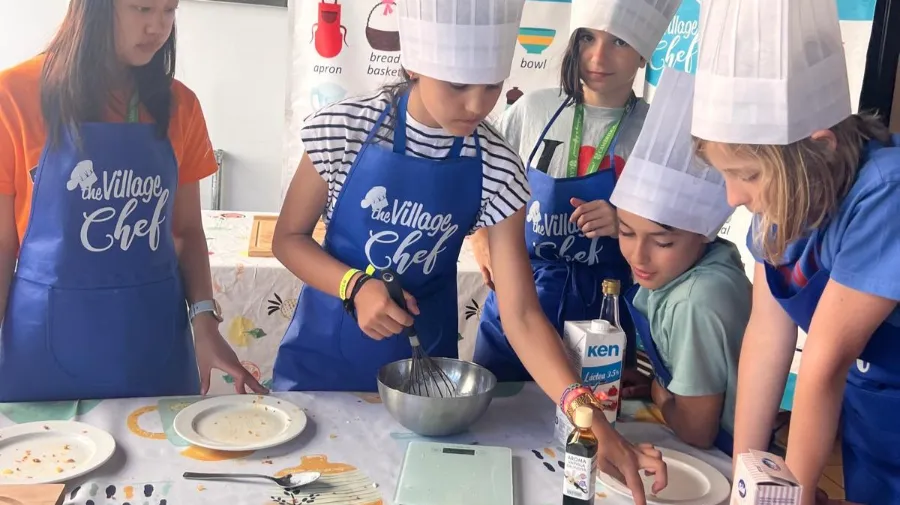
There are decisions that, although they may seem simple, feel big. Sending your child to an English camp for the first time is usually one of them. You’re not just choosing a summer activity: you’re deciding whether they are ready to separate, to live with others, to adapt to a new environment and, moreover, to do it in an international context.
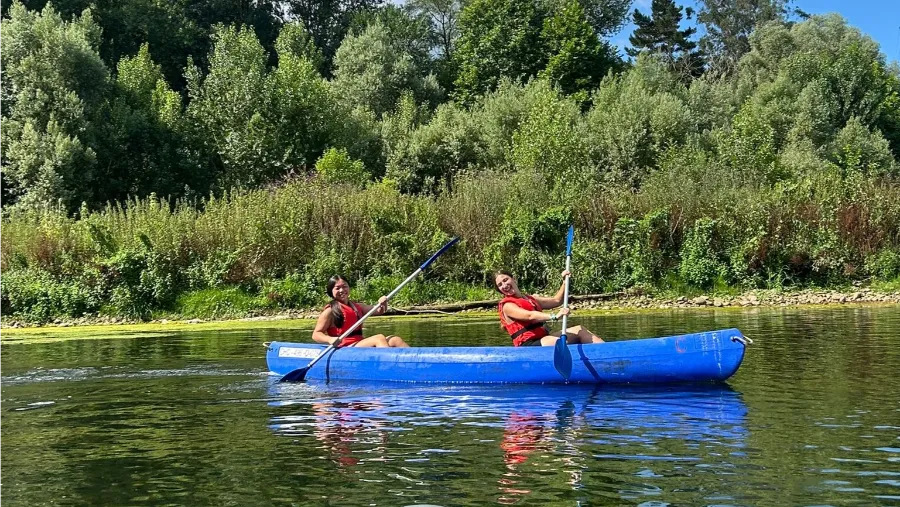
Many parents share the same feeling: their child has been studying English for years, understands quite a lot, passes exams… but when it comes time to speak, they freeze. This situation creates frustration and a recurring question: why, after so much time, do they still not use the language naturally?
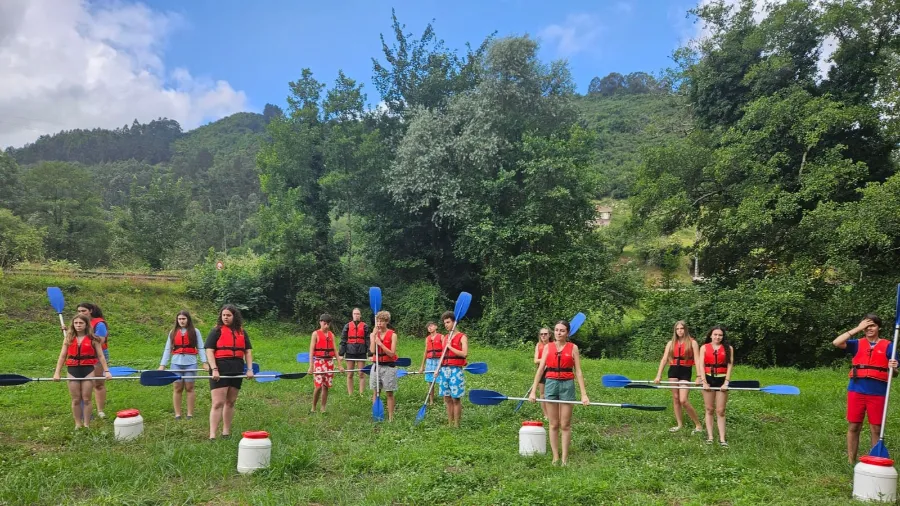
For years, the same idea has been repeated: the more hours of English, the better the results. Many parents have followed that logic consistently, accumulating classes week after week, intensives, extra lessons and whole summers “in English.” And yet, the result is usually similar: the child understands more, but never quite gets comfortable speaking.

Choosing an international English camp for your child is not a minor decision. For many parents it's a mix of excitement and doubt: excitement at offering an experience that could be life-changing, and doubt about whether it will really work or if it will be "just more of the same".
The problem is that, from the outside, many camps look similar. They promise immersion, talk about native counsellors and advertise lots of hours of English. However, the results can be very different. For this reason, beyond names or destinations, it's a good idea to be clear about the criteria that truly make a difference.

When the time comes to decide how to make the most of summer to improve English, many parents ask themselves the same question: is it better to send my child to a camp abroad, or can they achieve similar results in Spain? For years, the idea has taken root that going abroad automatically guarantees better immersion, but the reality is far more nuanced.

Work with us · English Camp Jobs

Are you a native English speaker or do you have a certified C1?